

Institute of Molecular Biology and Biotechnology
Advancing, explaining and teaching Life Science
We have strong interest in genome biology
Dr Mateusz Bajczyk awarded the Minister of Science Scholarship for Outstanding Young Scientists
Proud moment for our IMBB team! 🌟 We are thrilled to share that Dr. Mateusz Bajczyk is among the winners of the Scholarship of the Minister of Science and Higher Education for outstanding young scientists (SMN21 competition).
Dr. Bajczyk is the Principal Investigator of two OPUS grants (NCN), exploring how plants precisely assemble, modify, and control RNA from start to finish. His research centers on the SERRATE protein and DEAD-box helicases—critical players in microRNA biogenesis and co-transcriptional mRNA processing. Understanding this layer of gene expression regulation is vital, as it directly impacts plant growth and adaptation to environmental stress.
Warmest congratulations, Mateusz! We wish you continued success in your groundbreaking research! 🌱🔬
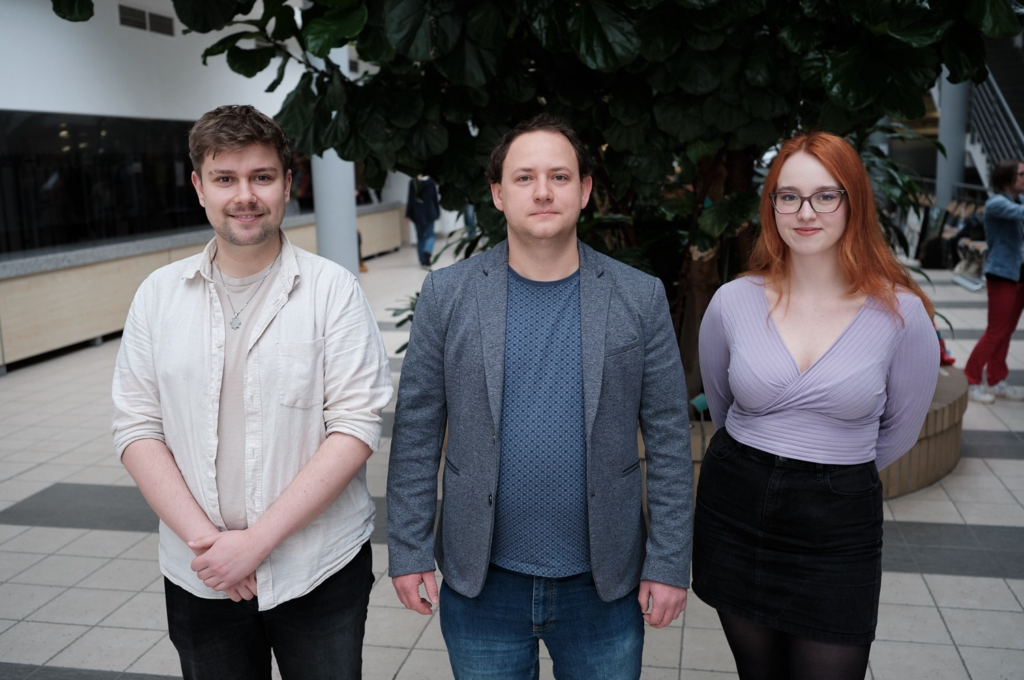
New paper from prof. Kamieniarz-Gdula’s group in Nature Structural & Molecular Biology!
Dr. Agata Stępień, Dr. Martyna Plens-Gałąska, and Prof. Kinga Kamieniarz-Gdula are the authors of a News & Views article published in the latest issue of this journal.
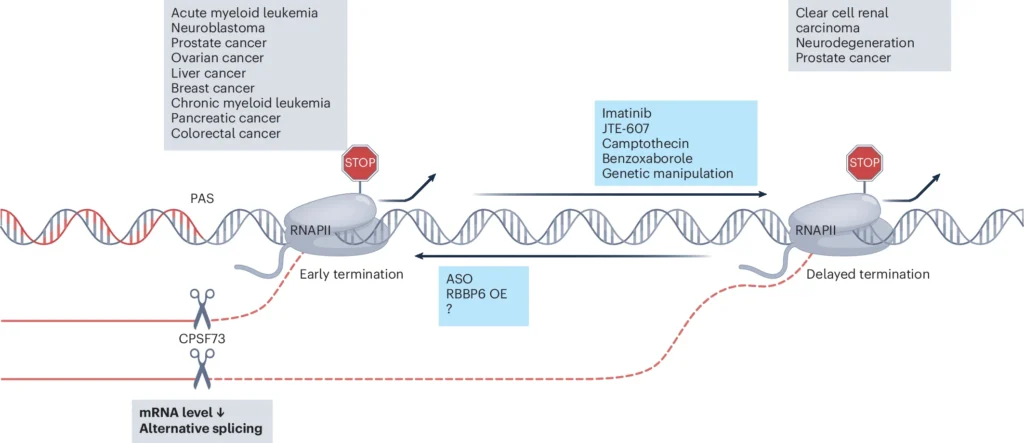
The authors explore the phenomenon of transcriptional readthrough (delayed transcription termination). Long considered an incidental byproduct of cell activity, recent studies reveal that this process plays a key role in the mechanism of certain anti-cancer drugs and may open up new therapeutic opportunities.
Congratulations to the entire team! 👏
👉 The full text of the article is available here:
https://www.nature.com/articles/s41594-026-01833-4
Meet Prof. Piotr Ziółkowski, the new head of AMU’s Institute of Molecular Biology and Biotechnology
Meet Prof. Piotr Ziółkowski, the new head of AMU’s Institute of Molecular Biology and Biotechnology. The Institute currently leads the university in research funding, managing 46 external grants worth over 130 million PLN.
Drawing on his extensive experience from the University of Cambridge, the new director focuses on boosting publication quality, supporting young talents, and upgrading research infrastructure.
👉 Read the full interview (in Polish) on the Ĺ»ycie Uniwersyteckie website to discover his vision for the Institute, the concept of “intelligent breeding,” and the future of plant genome biology: https://uniwersyteckie.pl/nauka/prof-piotr-ziolkowski-gen-doskonalosci.
Chcesz dowiedzieć się więcej o „Genie doskonałości”? 🧬
Poznaj prof. Piotra Ziółkowskiego, nowego szefa Instytutu Biologii Molekularnej i Biotechnologii UAM. Instytut jest obecnie liderem na uniwersytecie pod względem finansowania badań, zarządzając 46 zewnętrznymi grantami o wartości ponad 130 milionów złotych.
Bazując na swoim bogatym doświadczeniu z Uniwersytetu Cambridge, nowy dyrektor skupia się na podnoszeniu jakości publikacji, wspieraniu młodych talentów oraz modernizacji infrastruktury badawczej.
👉 Przeczytaj cały wywiad na stronie Życia Uniwersyteckiego, aby poznać jego wizję rozwoju Instytutu, koncepcję „inteligentnej hodowli” oraz przyszłość biologii genomu roślin: https://uniwersyteckie.pl/nauka/prof-piotr-ziolkowski-gen-doskonalosci
A new paper of Prof. Sobczak’s group in Nucleic Acids Research
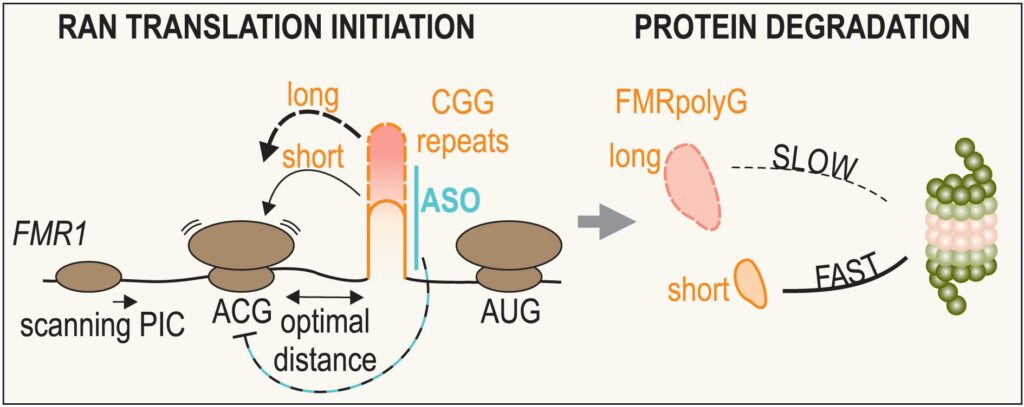
Dr Daria Niewiadomska, in collaboration with Prof. Krzysztof Sobczak, has investigated the role of FMR1 mRNA structure in regulating the non-canonical translation of the toxic polyglycine-containing protein, FMRpolyG, in the context of Fragile X premutation-associated conditions (FXPAC).
A breakthrough of this study is the demonstration, for the first time, that FMRpolyG stability depends on the number of CGG repeats in the FMR1 transcript.
Out now in Nucleic Acids Research! 🔬🧬
https://doi.org/10.1093/nar/gkag569
OPUS NSC grants for IMBB
dr Katarzyna BĹ‚aszczyk – The extracellular code of pancreatic β-cell development: why β-cell differentiation works…or fails.
dr Tomasz Marcin Bieluszewski – Grasping and Guiding H2A.Z Function in Plant Developmental Plasticity
Dr Katarzyna Taylor receives a 2-year grant from the Myotonic Dystrophy Foundation
We are pleased to announce that Dr Katarzyna Taylor from the Institute of Molecular Biology and Biotechnology, Adam Mickiewicz University, has been awarded a 2026 Early Career Grant from the Myotonic Dystrophy Foundation (MDF).
Dr Taylor’s research focuses on the molecular mechanisms underlying myotonic dystrophy type 1 (DM1), with particular emphasis on therapeutic development and MBNL-regulated physiological processes. Her current project, “Mechanisms of MBNL Regulation: Molecular Targets for Potential Therapeutic Intervention in DM1”, aims to identify regulatory mechanisms controlling MBNL1 and MBNL2 expression and to uncover new targets for therapy.
Over the course of her scientific career, Dr Taylor has investigated antisense oligonucleotides, small molecules, and repurposed antibiotics in the context of toxic RNA biology, and has contributed to studies on the role of MBNL proteins in development and disease. MDF also highlights her current position as Assistant Professor and principal investigator of a SONATA grant, as well as her involvement in the European ENTRY-DM consortium.
This distinction is an important international recognition of research conducted at our Institute and a valuable contribution to ongoing efforts to better understand and develop future therapies for myotonic dystrophy.
Read more:
Myotonic Dystrophy Foundation – 2026 Grant Recipient Feature: Katarzyna Taylor, PhD https://myotonic.org/2026-grant-recipient-feature-katarzyna-taylor-phd/

Useful links